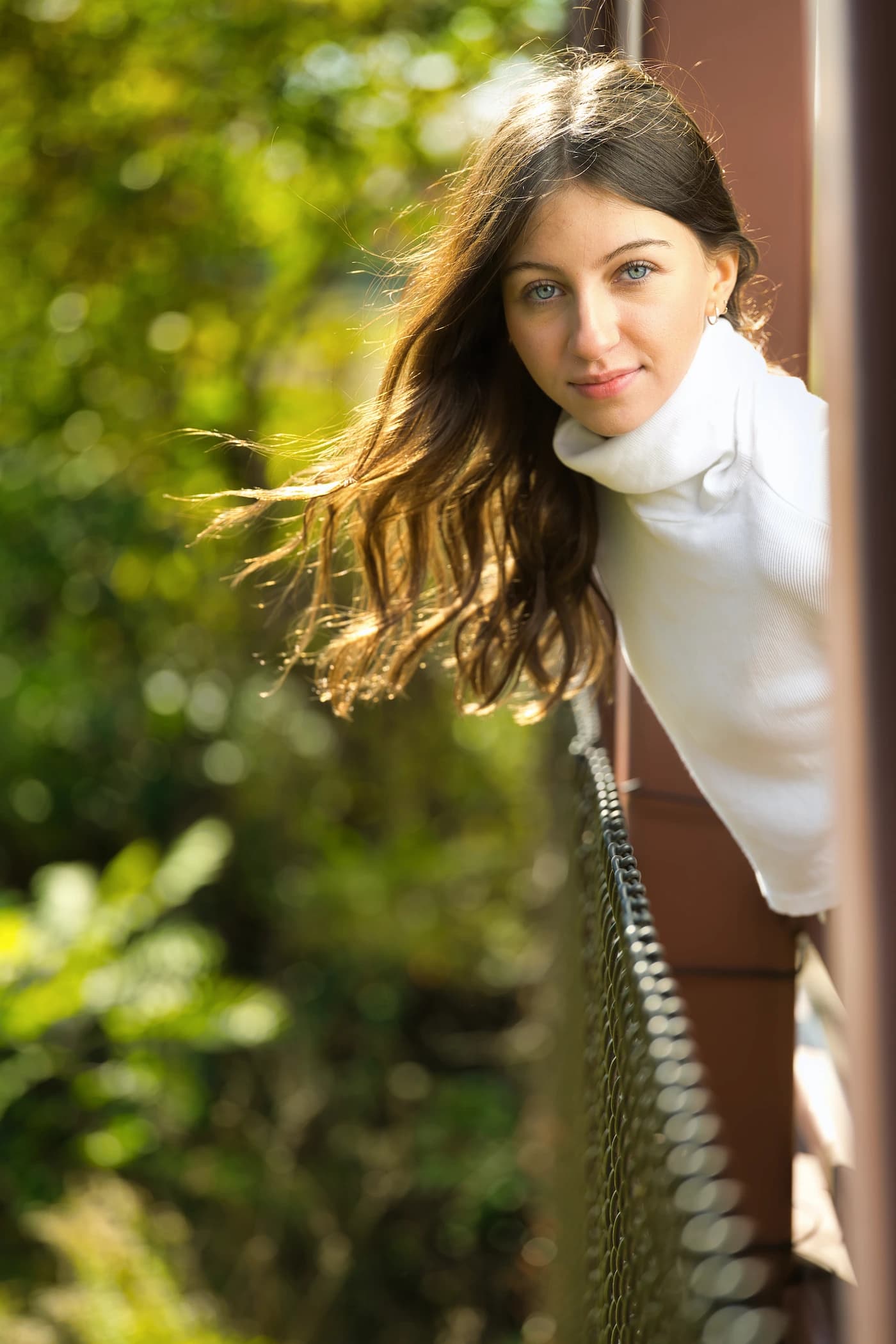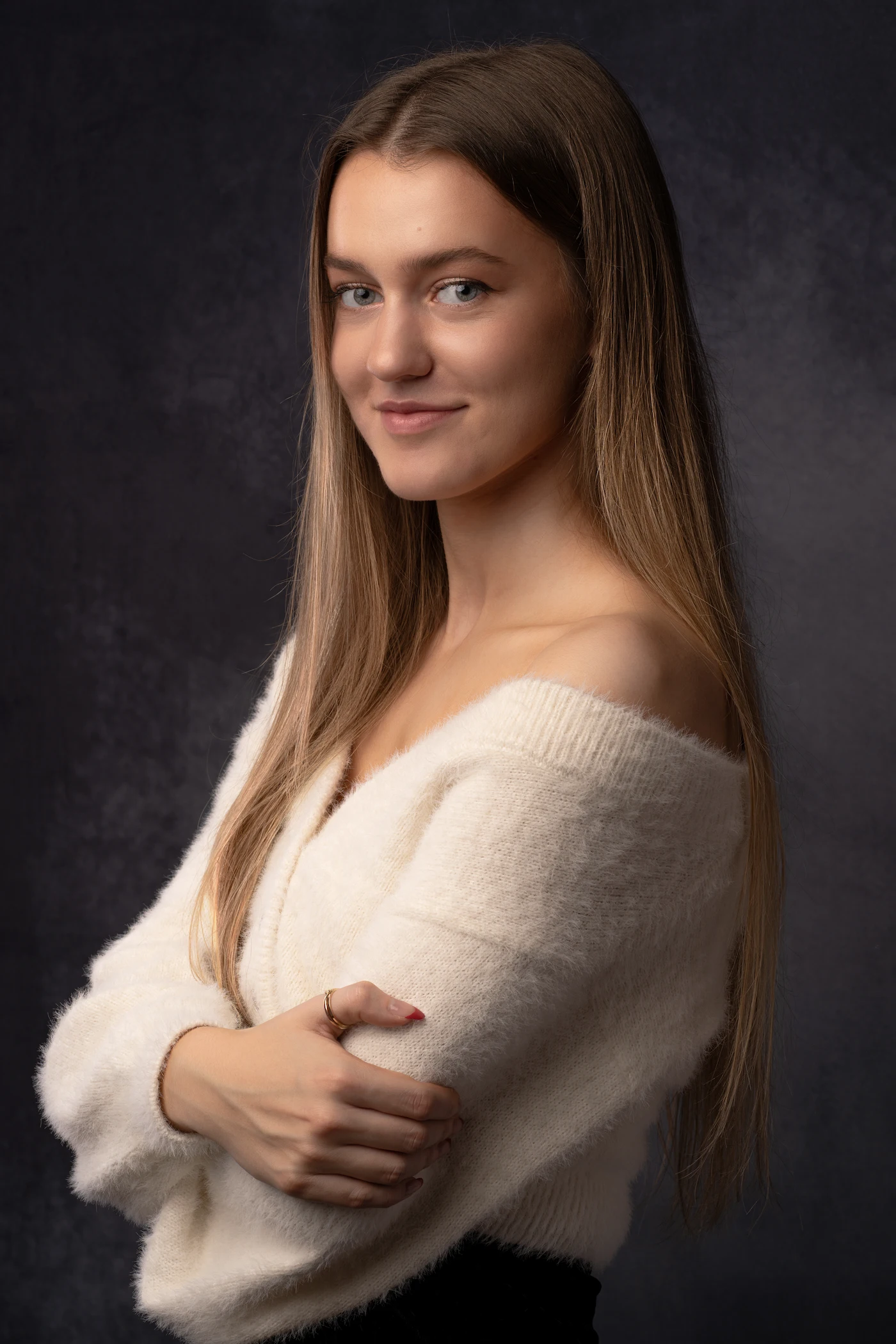
Most portrait sessions begin with a held breath. The subject has dressed carefully, driven across town, and is now standing in front of someone they've just met, waiting to be told what to do with their hands.
This is the moment most photographers rush past. We tell them to relax, to smile, to tilt their chin — and in doing so, we ask them to perform the very thing we're trying to capture authentically.
The gap is the photograph
After seventeen years behind the camera, the single most useful habit I've developed is watching the gaps. The gap between the third pose and the fourth. The moment a senior adjusts their collar without being asked. The half-second after a joke lands, before the composed smile returns.
That is where the person lives. The poses are rehearsal; the gap is the take.
How we protect it
We build sessions around loose structure — three or four anchor frames we want to leave with, surrounded by long stretches of conversation. We direct movement ("walk toward the window, stop when you feel like it") rather than emotion ("look happy"). Movement gives the face permission to settle into something honest, because the subject is no longer thinking about their face at all.
When a pose is done, we don't immediately call the next one. We let the camera hang for a beat. We ask a question. We watch the answer arrive on their face.
The frame you didn't plan
The portrait that ends up framed on someone's wall is almost never the one we framed in the viewfinder first. It's the one that happened while we were adjusting settings, or while they were telling us about their daughter. It's the gap.
That's the photograph we're after. Not the pose — the person, caught in the act of forgetting to perform.